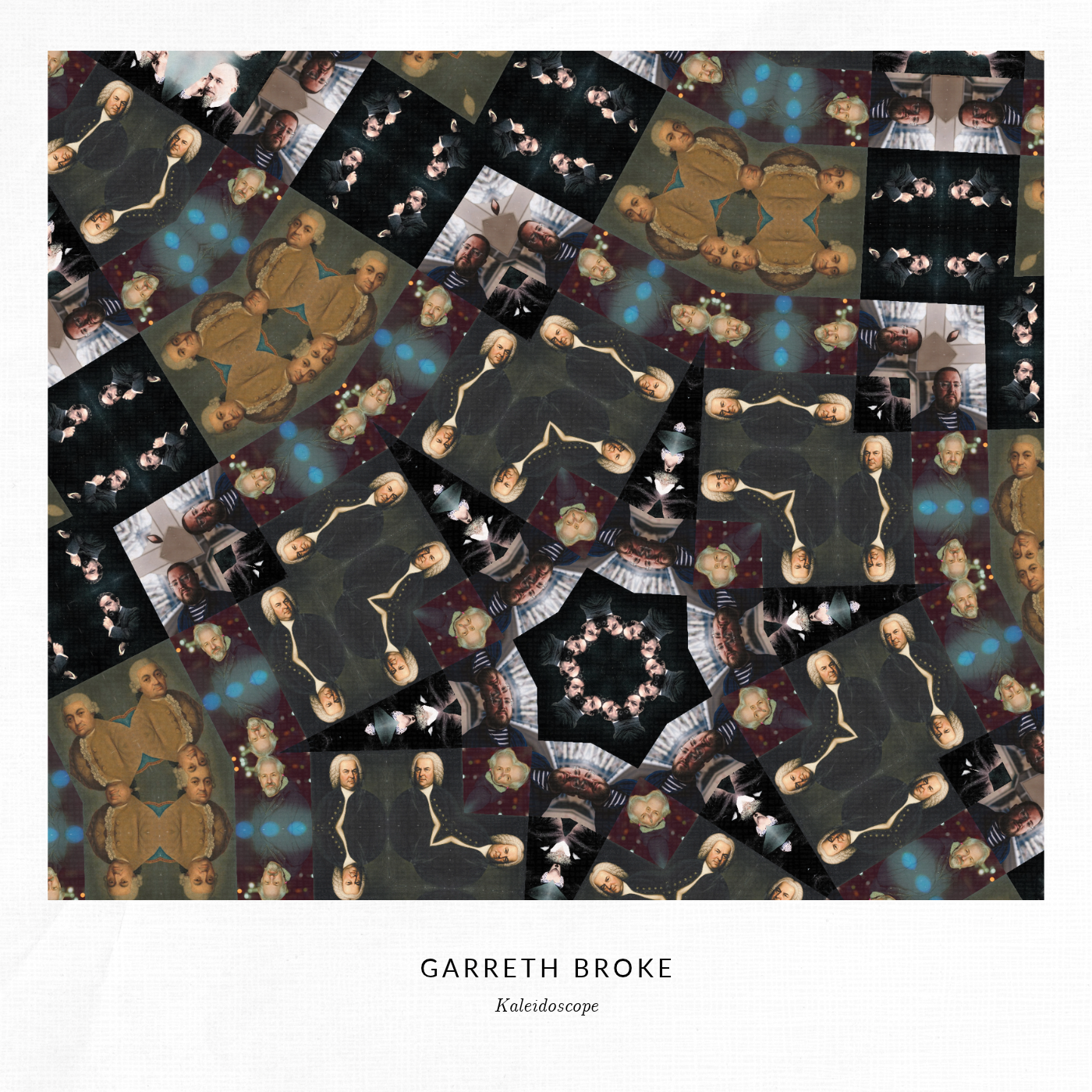
"Kaleidoscope" by Garreth Brooke
Transforming Familiar Pieces Into Something New
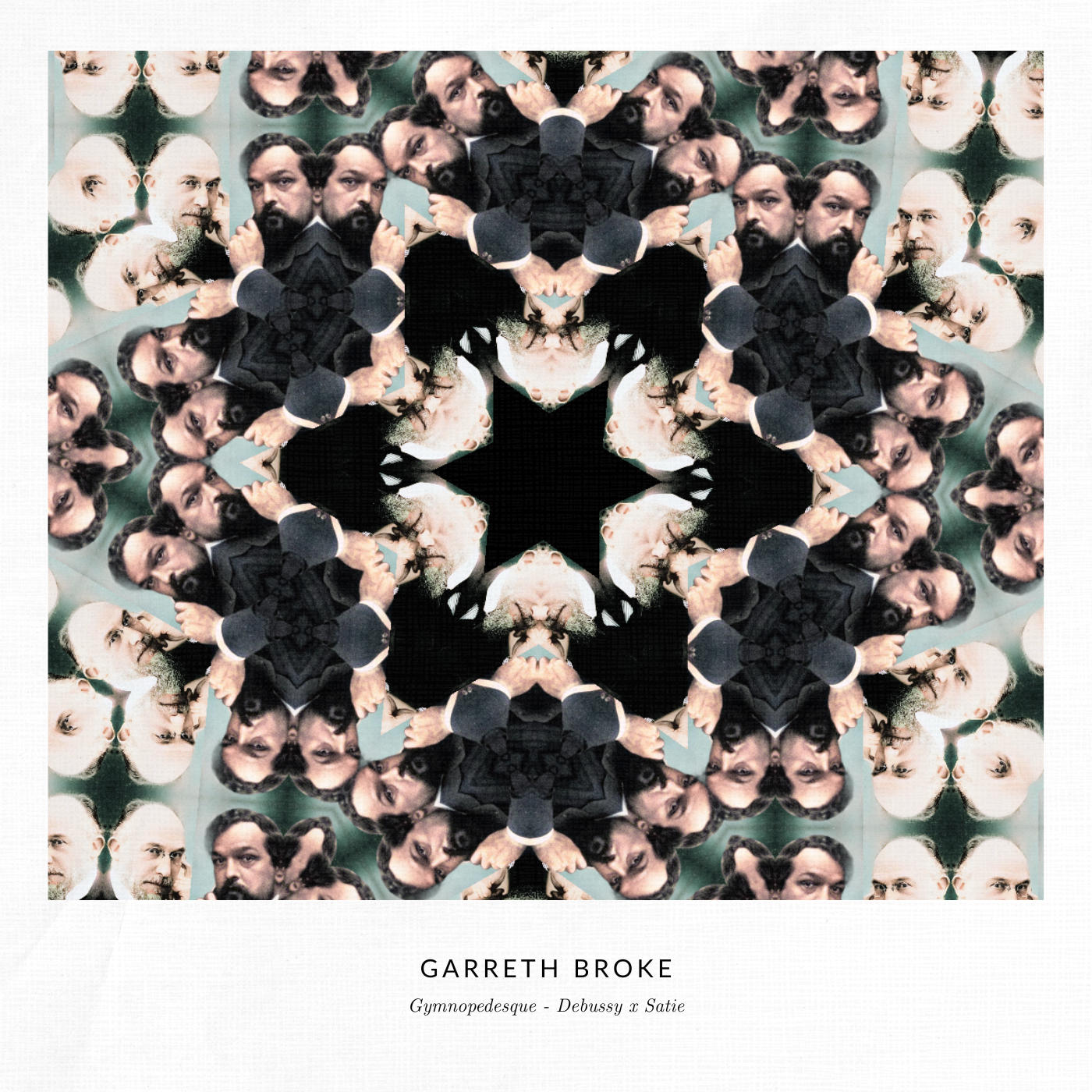
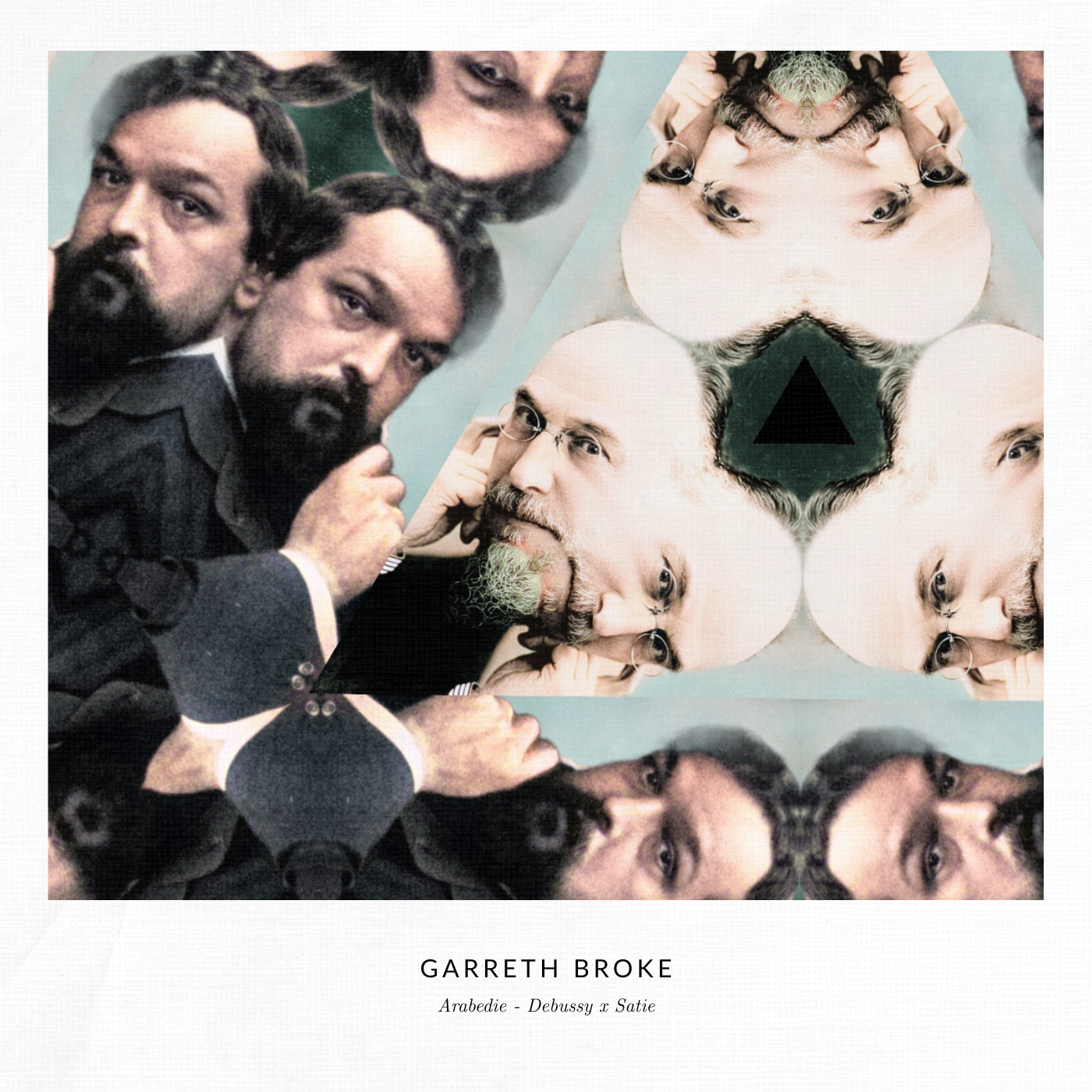
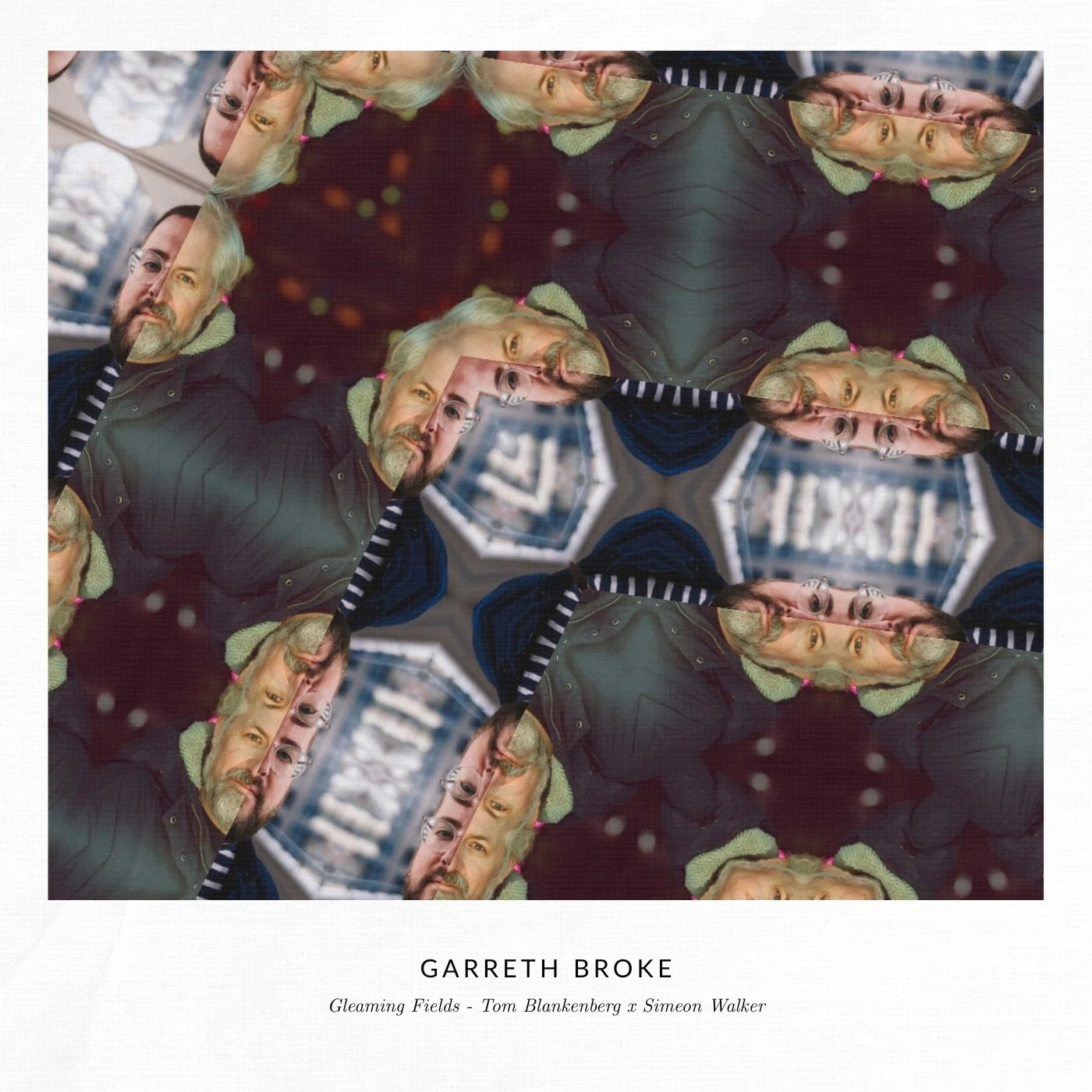
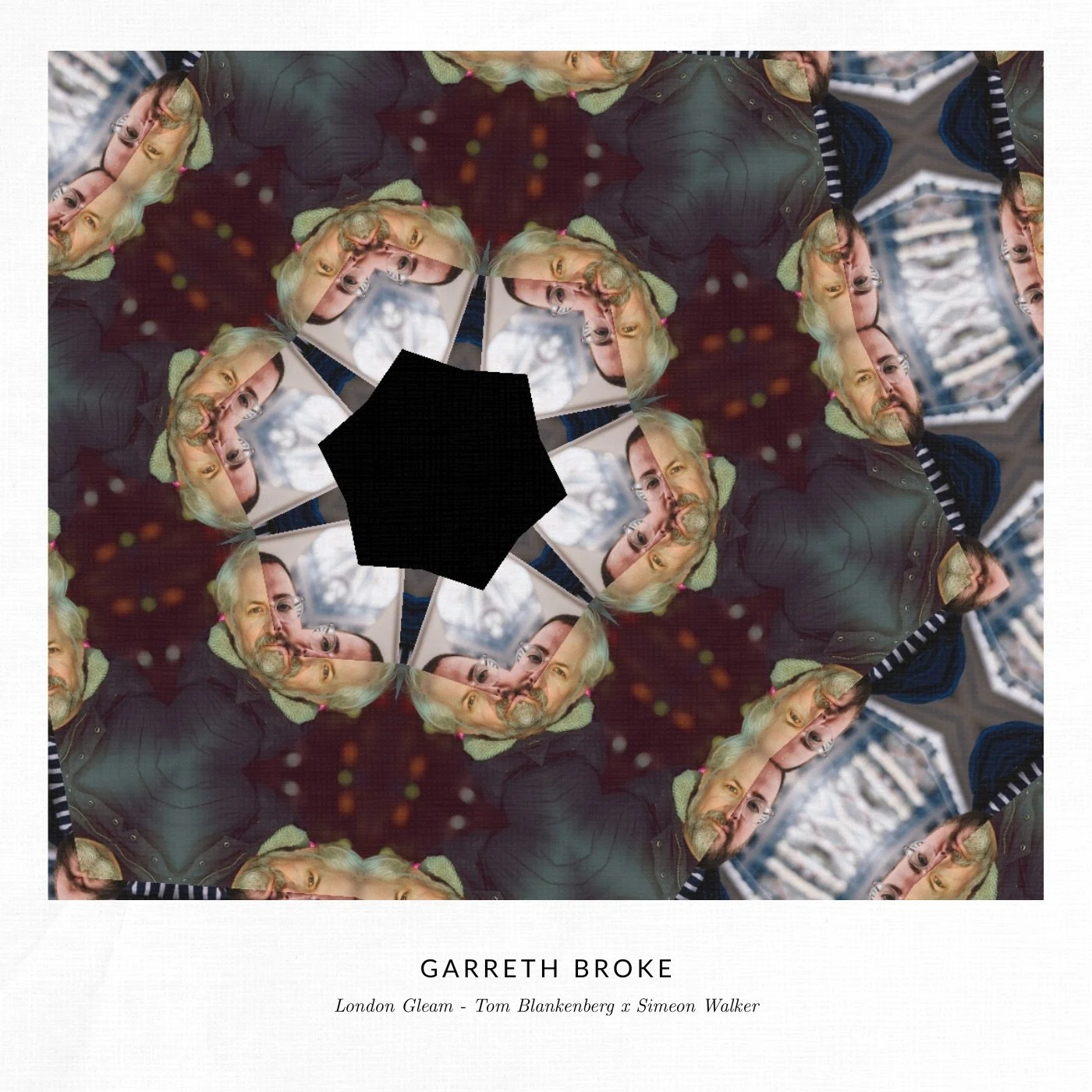
Pianist and composer Garreth Brooke (aka Garreth Broke) announces the release of "Kaleidoscope," on Neue Meister on 2.7.2027: an accessible contemporary classical album in three parts that takes familiar pieces and transforms them into something new through a compositional process he calls "kaleidoscoping.”
The Origin of the Idea
The album began in March 2026, when Brooke was depressed and burned out and had cancelled most of his work in order to recover. As he was starting to get back to normal, the first bit of work he did was playing a Piano Day gig in Berlin organised by Neue Meister, where he invited two of his composer friends.
"I loved hanging out with them that day, they really cheered me up," he recalls. “I saw a side of them I had only glimpsed before”. Watching the two friends being silly with one another made him think about how we behave differently with different people, and how many-sided our personalities are.
Back home in his studio, playing his friends' music on the piano for the first time in a while, he noticed that two of their pieces had certain similarities, although on the surface they sounded very different. He began to ask himself: "What would it sound like if I combined these two pieces?" The experiment was musically satisfying, and the resulting music sounded strikingly different from its source material.
"I was struck by how something new had been created by bringing the two pieces of music together; a third entity," Brooke explains, referring to a concept from the psychology of relationships: when two people come together to build a relationship, they are in fact creating a third entity, the relationship itself. In this way, each new piece is "a kind of kaleidoscope of the different personalities of the individuals involved."
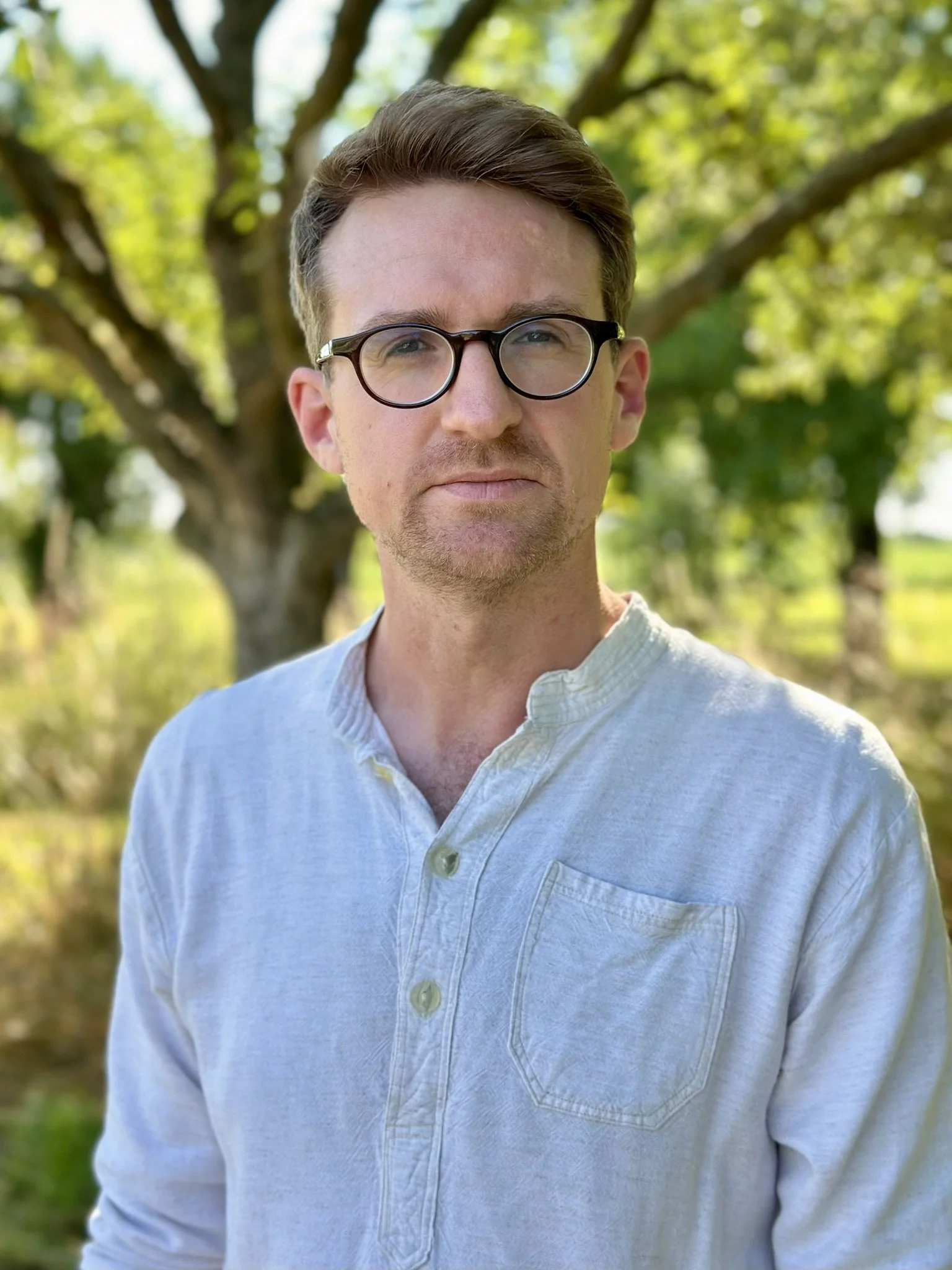
Photo: Anna Salzmann
The Music
On "Kaleidoscope," Brooke combines pairs of pieces by some of his favourite composers: Tom Blankenberg ("London Fields") and Simeon Walker ("Gleam"), with whom he has enjoyed a decade-long friendship; Johann Sebastian Bach and his son Carl Philipp Emanuel; and the friends and rivals Claude Debussy and Erik Satie. Standout tracks include:
"Arabedie" and "Gymnopedesque", combining Debussy and Satie
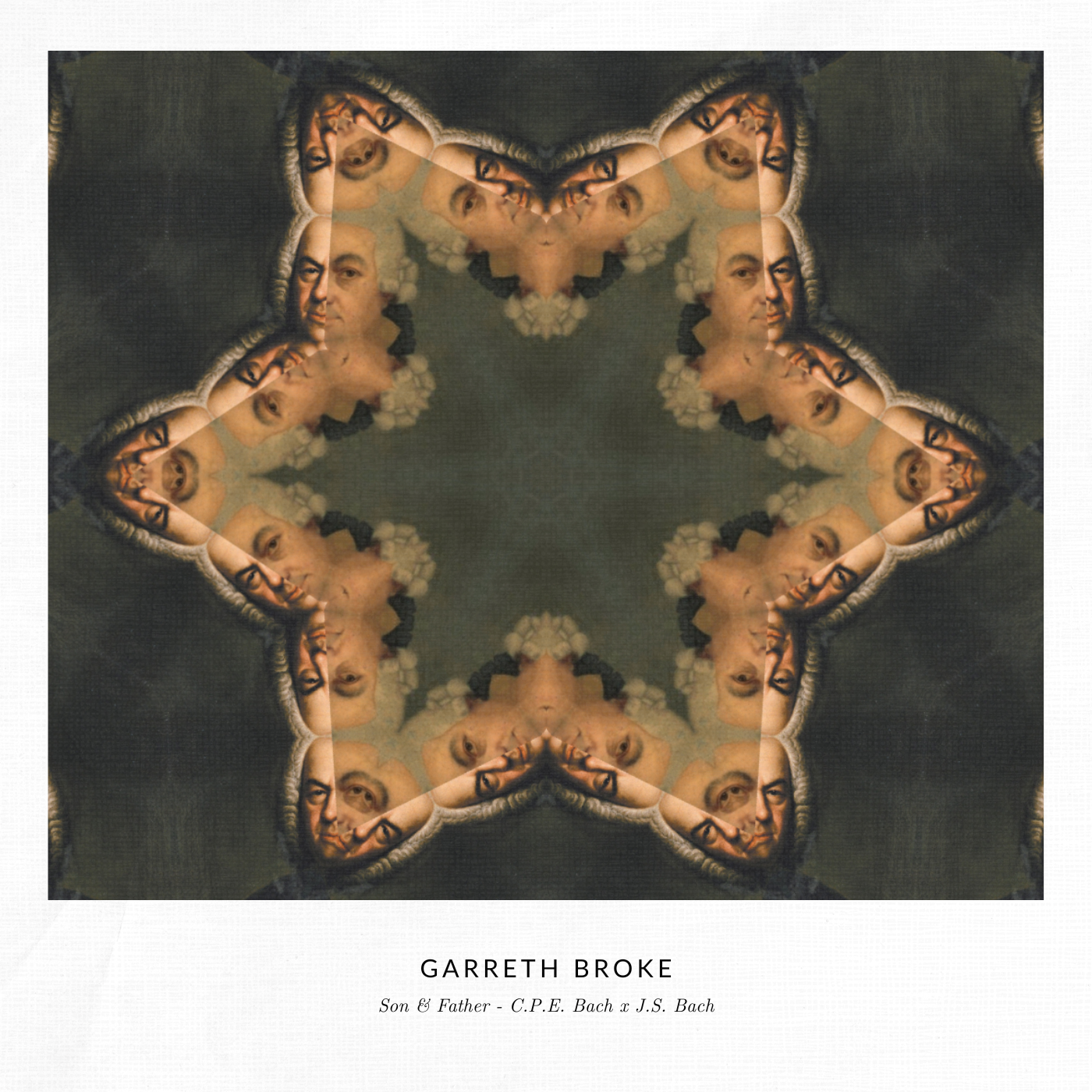
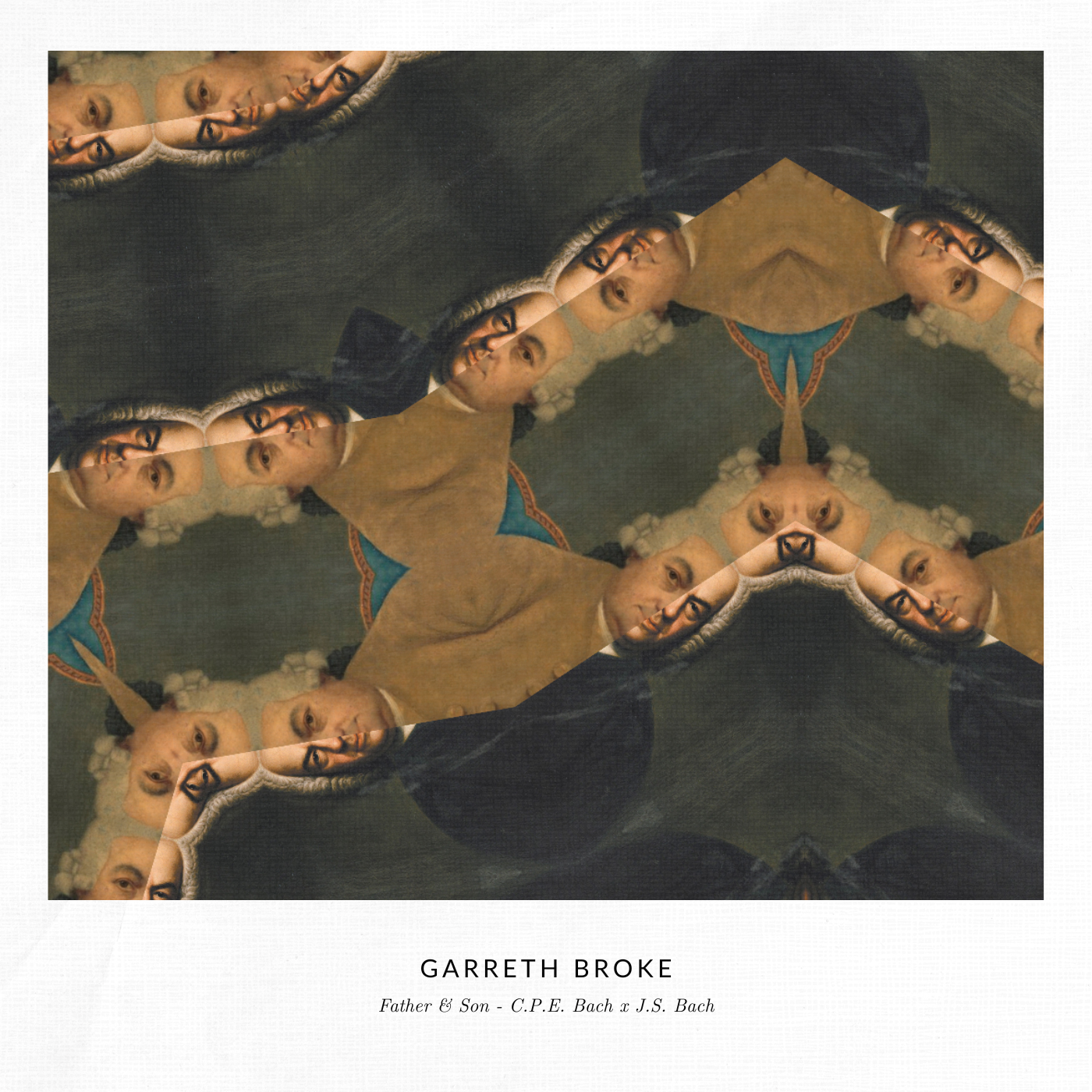
"Father and Son" and "Son and Father", combining the Bachs
“London Gleam” and “Gleaming Fields”, combining Tom Blankenberg and Simeon Walker
The album is arranged in three parts influenced by French Impressionism, Contemporary Classical styles and German Baroque. It has an appealingly simple and intimate sound, recorded on Brooke's beautiful felted upright piano, a 1988 C. Bechstein, in his home studio in Frankfurt, Germany. It is his most classical album yet; he has only referenced classical music once before, with "Bartók Felt," his arrangements of short pieces by Béla Bartók for felted piano.
Brooke worked under a strict self-imposed rule: for every pair of original pieces, he had to create two new kaleidoscope versions, or abandon the idea entirely. The album composed itself quickly, over the course of about ten working days spread across a few months. "Because it was great fun to work on," he says. "Taking a break from music with deep emotional content to spend time with musical friends (and I consider the Bachs, Satie and Debussy friends!) has been wonderful."
Listening
"Kaleidoscope" is best heard from beginning to end, Brooke says: "This is the best way to hear it, because you'll hear the original pieces plus both of the two new kaleidoscoped pieces." He hopes listeners "will enjoy hearing familiar works kaleidoscoped into something new."